
What Causes Sewage Smell in House Air? A Short List, Easiest First

What causes sewage smell in house rooms is, more often than people expect, a plumbing detail rather than actual sewage. Drain systems are built so that gas from the pipes stays in the pipes, and when one part of that design stops working, the odor comes out through a fixture.

This page is a triage list for odor indoors. Smell outdoors and cleanup after a real backup have separate pages, and the water-seal basics are covered in a guide to sewer odor and the trap under a drain.
The drain nobody uses

Kerrville's utility lists a dry trap among the frequent reasons for indoor odor. Each fixture tied to the sewer has a curved section of pipe that holds water, and that water is the seal. A floor drain, guest bath or basement sink that goes unused lets the water evaporate, and the seal goes with it.

Fairfax County's wastewater office says the same thing and tells owners to add water regularly to seldom-used sinks, toilets and floor drains. Denver's wastewater division suggests topping up a drain monthly.

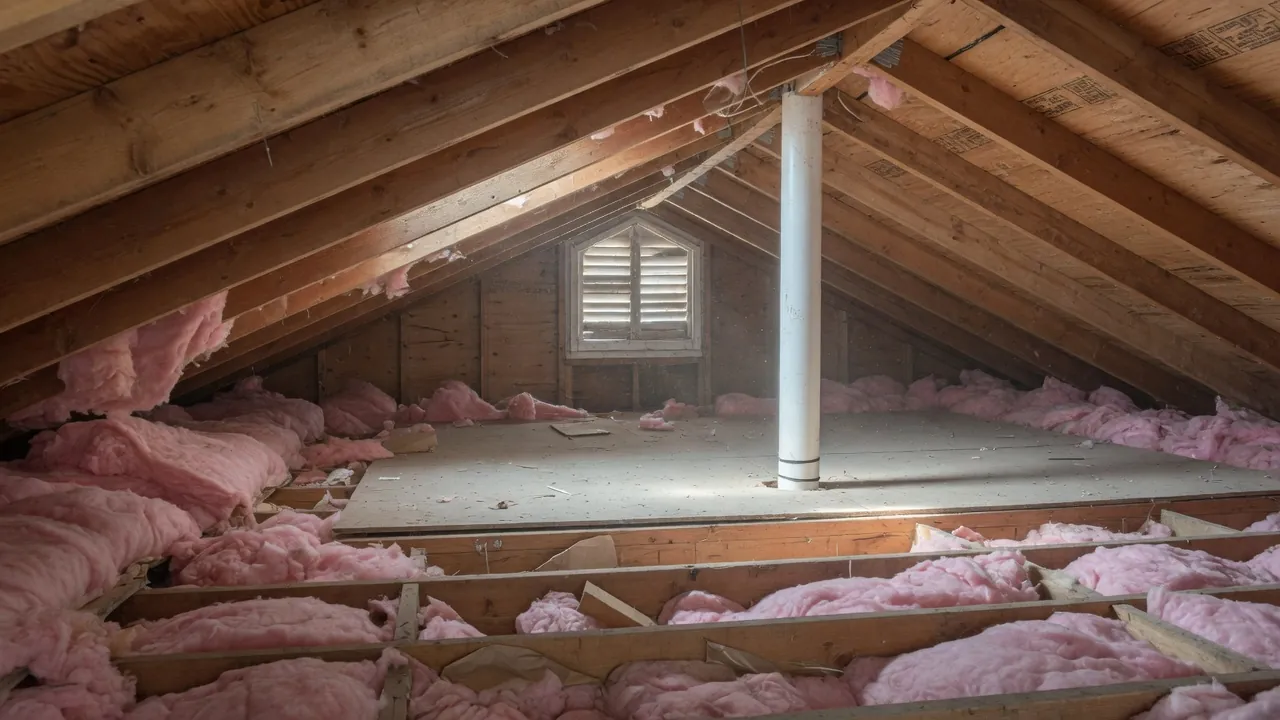
Unfinished attic with exposed wooden rafters, pink insulation between the joists and a white pipe rising on one side.

Vents that stopped venting

The plumbing vent is the other half of the design. Kerrville explains that vents let outside air into the drain pipes so water leaving a fixture does not siphon the traps dry. When a vent clogs, the traps can empty and gas can come in.

Fairfax names leaves and bird nests as the usual plugs. Kerrville adds pests to the list and says clearing the vent all the way through the roof may need a plumber.

A smell that appears mainly in wet weather is a separate question, taken up in what the timing of a storm-day odor can and cannot show.

A loose toilet or a leak you cannot see

Kerrville says a toilet that rocks when pushed has a failed wax ring, and that a leak there can let air through. Rotted or damp wood around the base is another clue.

The same utility describes less obvious paths. An old house trap in a basement or crawl space can crack, and a rusted top side on a horizontal drain pipe may never leak liquid but will leak gas. Odor concentrated at one sink may also come from debris in the overflow channel near the rim.

Odor that does mean sewage is present

None of the items above involves wastewater coming into the room. If the odor shows up with slow drains, gurgling, or water on the floor, the picture changes. Ohio's health department calls the odor from a backup unpleasant but generally harmless in itself; the contamination behind it is the concern.

Breathing sewer gas is a different question from touching sewage, and what health agencies say about breathing sewer gas covers it.

Indiana's health department adds a different kind of smell. A musty odor that lingers after an overflow, it says, means microbes are still growing in an area that stayed damp. That is a cleanup problem, not a plumbing one.

A rough order of checks

  1. Run water in every drain that has sat unused, floor drains included.
  2. Notice whether the smell is stronger in one room or follows one fixture.
  3. Check that the toilet does not rock.
  4. Look for slow drains, gurgling or damp floors, which point away from simple causes.
  5. If the smell sits outdoors, see the page on odor outside the house.

Wet floors or standing wastewater are the cases where a cleanup contractor, rather than a trap fix, is needed, and the Contact Us page can pass along a request for a nearby company.

Common questions

Kerrville's guidance ties odor to dry traps, venting problems and loose seals, any of which can behave differently as fixtures are used and the water in a trap is replaced or lost.
No. Kerrville and Fairfax both list causes, such as dry traps and plugged vents, that let gas through without any wastewater entering the room.
Ohio treats the odor as an annoyance, though sewage behind a backup is a different matter, so a wet floor changes the advice.