
Can You Get Sick From Sewer Gas in a Home? Levels, Symptoms and the Limits of Smell
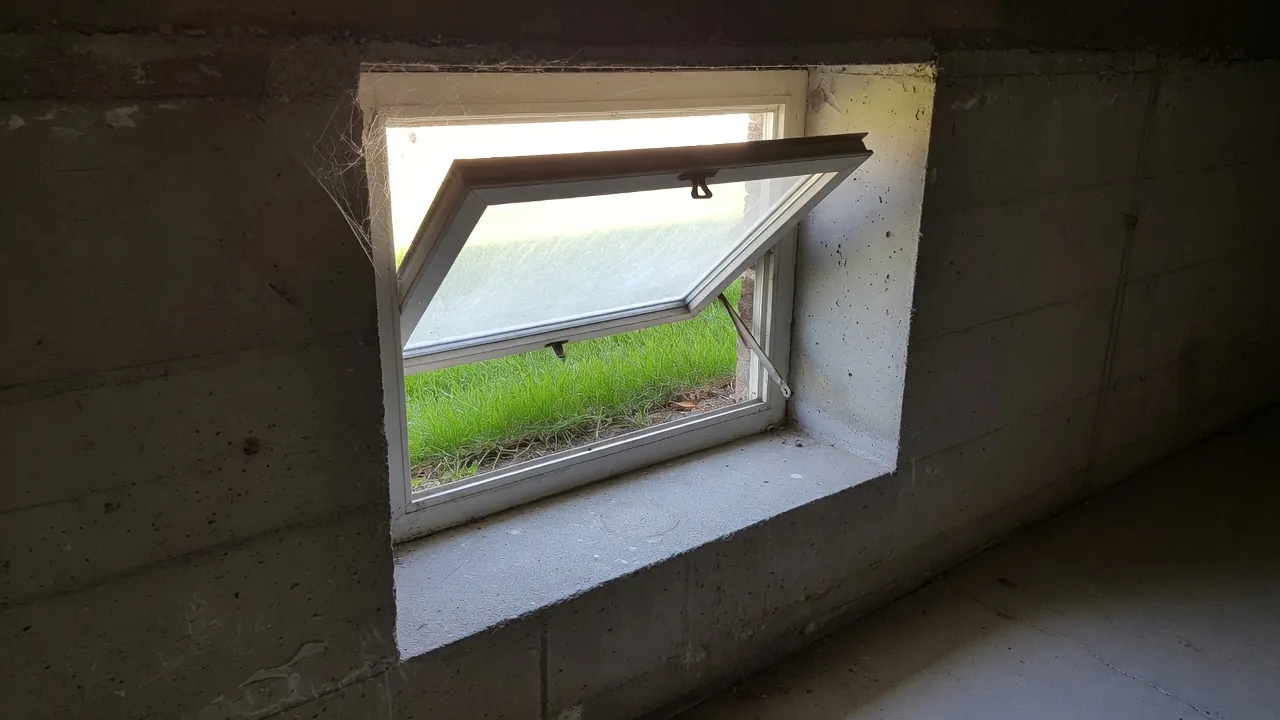
Small white window tilted open in a rough gray concrete wall, with green grass visible outside and cobwebs in one corner.

Can you get sick from sewer gas? Health agencies say yes under some circumstances, and those circumstances matter far more than the smell does. A whiff from a dry drain is a very different thing from the concentrations that hurt people, and both differ from the risks of touching sewage.

This post is about breathing the gas. Liquid contamination and the infections that follow are a separate topic, and the general odor questions that lead people here are handled by a guide to sewer smell in the home.

Which gases are in the mix

Wisconsin's health department describes sewer gas as a blend of harmful and harmless gases given off as household and industrial waste decays. Its highly toxic components are hydrogen sulfide and ammonia, and it also contains carbon dioxide, methane, nitrous oxides and sulfur dioxide. The mix varies by source.

Low levels: irritation and symptoms

Illinois's public health department says hydrogen sulfide at lower concentrations can bring stinging eyes, a scratchy throat, coughing, breathlessness and fluid in the lungs, and that these usually fade over a few weeks once exposure stops. Long, low-level exposure may bring fatigue, loss of appetite, headaches, irritability, poor memory and dizziness.

Wisconsin's list of warning symptoms is shorter: headaches, dizziness, drowsiness and nausea. It advises seeing a doctor if you have them and suspect a leak at home.

Why smelling it is not a safe test

Illinois points out that the nose picks up hydrogen sulfide at concentrations below those linked to health effects, so a whiff is not proof of harm. The reverse is the danger: at higher concentrations the nose is swamped and the gas can no longer be detected. OSHA makes the same point, and Wisconsin says heavy concentrations can interfere with the sense of smell.

Settings where it turns dangerous

OSHA says hydrogen sulfide is heavier than air and can build up in low-lying and enclosed spaces such as sewers, manholes and underground vaults. Illinois says the very high exposure that can kill in just a few breaths would not be expected in a home, but could occur in a workplace. Wisconsin lists the settings where workers meet it: septic tanks, manure storage tanks and municipal sewers.

Wisconsin adds a safety point. If a heavy concentration is suspected in a closed room, people should leave the building and phone the fire department, and nobody should strike a match or switch on an appliance there, since methane and hydrogen sulfide both burn.

Gas exposure versus sewage contact

Connecticut's health sheet on sewage backups says respiratory infections are uncommon because fecal microorganisms rarely become airborne when everything is wet. That is the liquid side, which carries mostly stomach and skin risks. Gas exposure is a chemical question; contaminated water is a germ question. A bathroom whose drain smells is the first; a flooded basement is the second.

Steps for a home that smells

Wisconsin's advice is practical: follow the odor to its point of entry, such as a basement floor drain, check the rooftop vent for blockage, and add water to a dry drain. Behind-the-wall leaks may need a plumber. Illinois says dry traps can let the gas into a home.

Where liquid sewage is on a floor in a home we serve, call (855) 433-1072 or use Contact Us. Plumbing causes inside a bathroom are laid out in a room-by-room smell check.

Prefer the phone?

Sewage in the house right now?

Call our crew and tell us what you're seeing.

Common questions

Not necessarily. Illinois says the nose can detect the gas below the level where effects begin.
Wisconsin names headaches, dizziness, drowsiness and nausea.
For a suspected heavy concentration in a closed room, Wisconsin says to get out and phone the fire department.