Sewage Cleanup Pittsburgh, PA: Help With Sewage Backups at Home

A floor drain gurgles, a toilet runs over, or the basement smells wrong after a hard rain, and soon there is something on the floor that should never be inside a house. Sewage cleanup Pittsburgh homeowners need often begins exactly there, with a mess that is unsafe to handle bare-handed and, depending on where the pipe failed, tangled up with questions about who is responsible.

This page connects homeowners in Pittsburgh and the surrounding boroughs with local cleanup contractors who deal with residential sewage backups. Sewage Cleanup Crew, LLC is a referral service, not a cleanup crew, whatever the name suggests. The contractor you are connected with talks through the work and the arrangements with you directly.

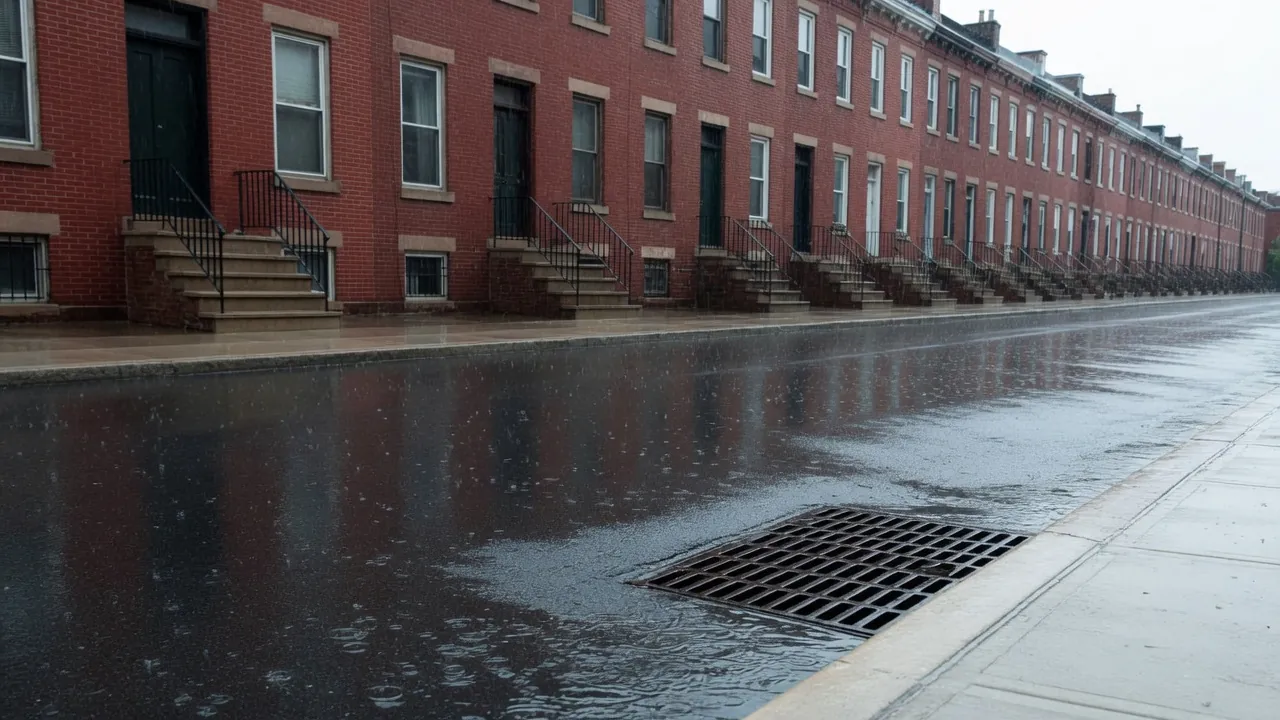
Rain running into a storm drain on a street of brick rowhouses

Why sewage backs up in Pittsburgh houses

Pittsburgh was sewered early. Pittsburgh Water says its first sewer lines went in as early as 1840, in what is now Shadyside and Oakland, and that more than 390 miles of underground sewer were in place by 1908. That early network is the start of the combined system the city still uses.

Rain and the combined sewer

According to Pittsburgh Water, household sewage and street stormwater share the same underground pipes across about 75 percent of the city. In dry weather that works. In a downpour the pipes can be overwhelmed, and the mix can come back up through basement drains and out of manholes. ALCOSAN, which treats the region's wastewater, adds that communities built before the 1940s may have combined systems, because only separate systems could be built from then on. River overflows and basement backups are different problems; see how overflows differ from backups.

Older pipes, steep ground and roots

Not every backup starts in the street. The lateral, the pipe between your house and the main, can wear out with age, settle out of line or fill with tree roots, and 3 Rivers Wet Weather lists those as reasons a house backs up. Pittsburgh Water describes its own sewers as often more than a century old. The ground does not help: a study prepared for the city's Hillsides Committee puts the relief between river level and the highest hilltops at nearly 700 feet, and Pittsburgh Water's capital plan includes moving sewers out of risky spots such as steep hillsides.

Who is responsible for what

If your address is on Pittsburgh Water's sewer system, the authority sends a crew to work out whether a backup comes from its sewer main or from your lateral. A broken or clogged main is the authority's to fix. A broken or clogged lateral belongs to the property owner. Pittsburgh Water also says the owner handles the cleanup when heavy rain overloads the combined system and the sewage then drains away.

Elsewhere in Allegheny County the answer depends on the municipality. ALCOSAN serves 83 municipalities including Pittsburgh, but it runs the large interceptor sewers and the treatment plant, while each customer municipality owns and runs its own collection sewers. 3 Rivers Wet Weather notes that in some communities the homeowner is responsible for the lateral only up to the property line, so check with your borough or township before any major work.

The question of who does the cleaning, as opposed to who owns the pipe, is taken up in who handles the cleanup of a backed-up basement.

People searching for help in their own town can read how a locally minded request travels and what to settle before sending one.

Backups this page is written for

  • A toilet, tub or shower that overflows with sewage
  • A basement floor drain that backs up
  • A laundry area or utility room with sewage on the floor
  • A flooded basement where sewage has mixed in during heavy rain
  • Carpet, drywall, boxes and furniture that sewage has soaked

It is written for people who own and live in the house. A drain in the lowest part of the house is often the first sign; see reading the clues from a basement drain.

Homeowners outside Pittsburgh can read a separate walk-through of who maintains which sewer pipe around Denver and an indoor sewer odor in a Denver-area home.

Questions about a flooded basement where sewage may be involved are taken up in what water damage work looks like when sewage is in the water.

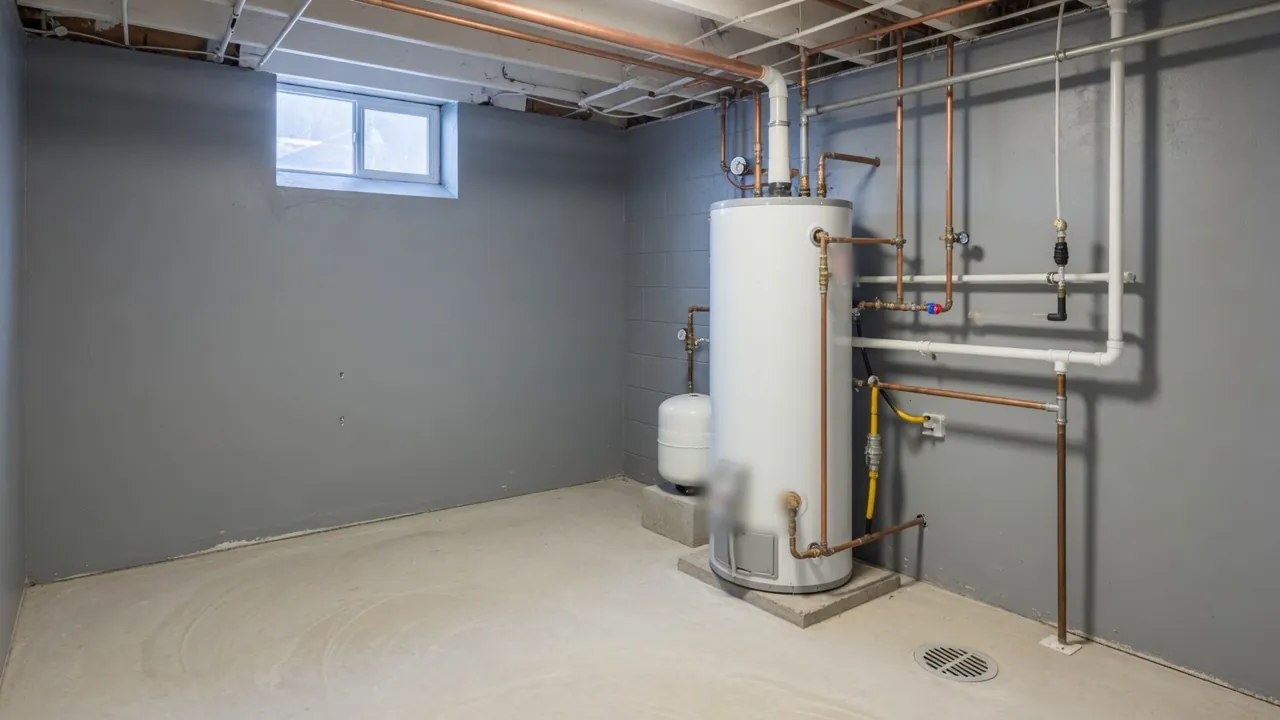
Basement utility room with a water heater and a floor drain

Before anyone starts cleaning

Pittsburgh Water warns that sewage carries bacteria and viruses that can cause stomach illness, skin infections and rashes, and that people should stay out of the contaminated area until professionals can assess it. It also advises against handling electrical equipment in wet areas and says soaked upholstered furniture, mattresses and bedding should be thrown out. If sewage is coming into the house right now and your home is on Pittsburgh Water's system, report it to the authority first, because it has to find out whether the main or the lateral is at fault. A Contact Us request does not replace that report. A step-by-step order for the first stretch is in this walk-through of what to do when sewage comes up. The factors that move a cleanup total are listed without prices. If the sewage is in the yard rather than the house, see what to do about sewage that reaches the lawn.

For a checklist arranged by when each step matters, see what to do after a sewage backup.

Health departments describe how people actually get ill from a backup, and one page gathers their points on illness from sewage in one place.

How a Contact Us request works

Open the Contact Us page and tell us what is happening. A request for sewage cleanup Pittsburgh contractors can act on is easier to pass along when it names the neighborhood or borough, says where in the house the sewage showed up, says whether it appeared during rain or during ordinary use of the plumbing, and mentions whether it has happened before. Those are the same details Pittsburgh Water asks for when someone reports a backup.

We then pass the request to a local cleanup contractor that covers your area. The contractor, not this website, decides how the work is done and what it involves. This website does not send crews to your home.

The stages of a sewage cleanup as public guidance lays them out are described in order.

Pittsburgh neighborhoods and boroughs with documented sewer overloads

Overloaded sewers have been documented across the Pittsburgh area, not in one corner of it. Greenfield's Four Mile Run sits above a combined pipe that collects runoff from Oakland, Squirrel Hill and Greenfield, and residents there describe basements filling during storms. A joint trunk sewer built in 1932 for Millvale and its neighbors along Girty's Run was seen to be overwhelmed by rain by 1956, with overflows and basement flooding. Etna, at the foot of the Pine Creek watershed, calls itself a combined sewer community and says a heavy storm can push sewage back into a basement through the floor drain. Hazelwood is where Pittsburgh Water's current round of sewer rehabilitation begins.

The wider ALCOSAN service area also includes boroughs such as Wilkinsburg, Sharpsburg, McKees Rocks, Homestead and West Homestead, and townships such as Penn Hills and Shaler.

Questions homeowners ask

It depends on where the problem started. Pittsburgh Water takes responsibility for a broken or clogged sewer main, and the property owner is responsible for the lateral. After a rain-driven backup that drains away, cleanup falls to the owner. Pittsburgh Water also says it is generally not liable for damages from backups, though a homeowner who believes the authority was at fault can file a claim with it.
Not always. Pittsburgh Water notes that homeowner's insurance does not always pay for cleanup and repairs after a sewage backup, and that this protection may have to be bought separately. Ask your insurer what your policy includes before you assume either way. See what public sources say about homeowner policy wording and sewage backups.
In the combined sewers that serve much of the city, rain from street drains enters the same pipes as household sewage. When a storm fills them, the overflow can surge up through manholes and back into basements. Etna's borough website adds that roof runoff connected to a home's lateral can overload the pipe and push sewage in through a floor drain. Read about what happens in the basement after a downpour.
Pittsburgh Water's advice is to stay away from the contaminated area until professionals can assess it, because sewage carries bacteria and viruses. Its own cleanup guidance only starts once the problem has been corrected and the sewage has drained from the property.
A local cleanup contractor does. This website connects homeowners with contractors and does not do the cleanup. Your request goes to a contractor that covers your area, and that contractor speaks with you directly about the job.

If sewage is in your house, use the button below and tell us about it.

Not every backup is in a basement; for sewage under the house, a page on the low space beneath the floor explains how the soil, liners and insulation change the job.