
Sewage Smell in Basement: Wet Floor or Dry Floor?

A sewage smell in basement air worries people for good reason, and one question sorts most cases: is anything wet? A smell over a wet floor should be treated as sewage. A smell over a dry floor points to a gas path instead, and the sources below trace several of them.

This page is general. For a Denver-area version built from Denver and Aurora sources, see the Denver take on a sewage smell.
Dry floor: start at the drains

Kerrville, Texas, in its water reclamation department's guidance, calls a dry trap a frequent cause of inside odors and says pouring a quart of water into all sinks, showers, tubs and floor drains may correct it. It adds that a rarely used basement floor drain loses its water to evaporation over time, and suggests a quarter cup of mineral oil in traps that dry out easily.

Wisconsin's health department gives the same drain advice and adds a way to find the entry: follow the odor to the point where it comes in, such as a basement floor drain. Anyone asking why does my basement smell like sewer when the floor is dry can begin with the drains.

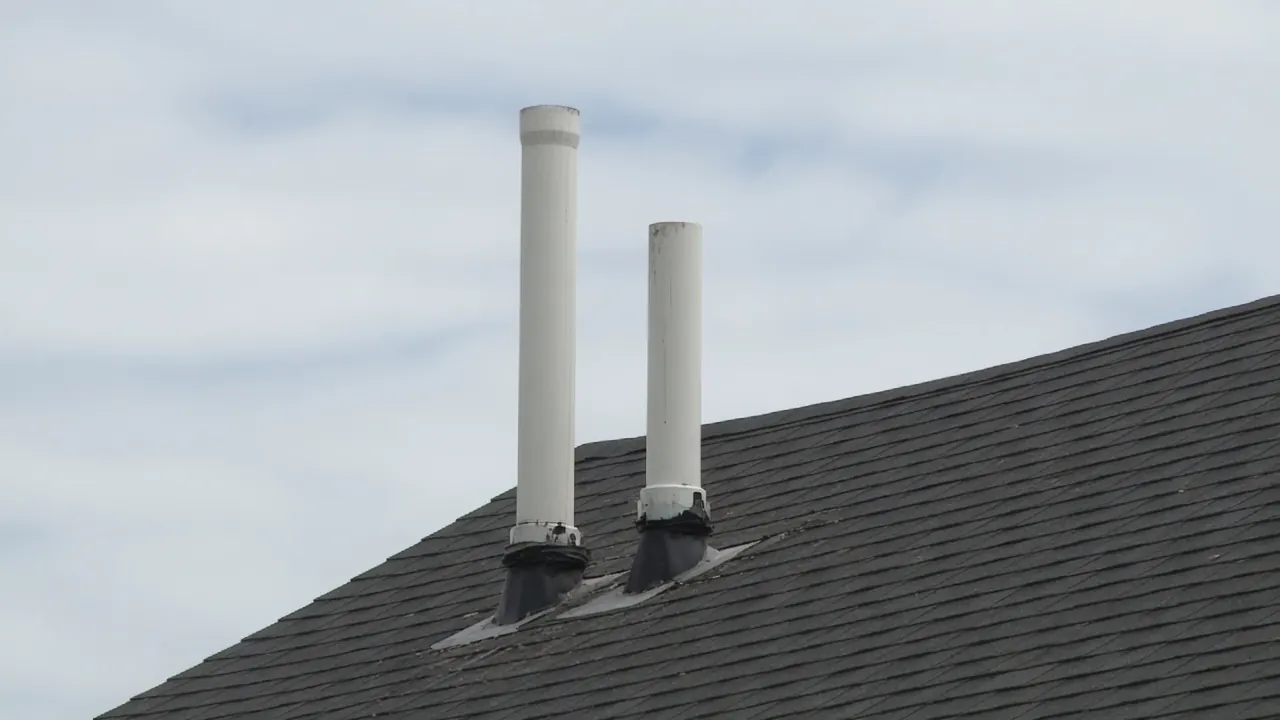
Two white plastic pipes rising through dark gray roof shingles under an overcast sky.

Dry floor, smell still there

Kerrville lists several other paths:

  • Broken seals around a toilet that let the trap siphon or dry out.
  • A clogged vent, from bird nests, leaves or pests.
  • An old house trap in the basement or crawl space that has cracked or broken.

Wisconsin names a leaking or blocked roof vent and cracks in the foundation where gas sits in the soil next to the house, and suggests checking the roof vent for debris. If the leak is behind a wall, it says a plumber may be needed. Kerrville says the usual method for finding leaks is a plumber's smoke test. For that old trap, see what a Pittsburgh sewer trap is.

Wet floor: stop diagnosing

If there is water on the floor as well as the smell, the guidance changes. The CDC says flooded homes may be contaminated with sewage, and the cleanup stages are in the stages of a professional cleanup. Ohio's health department says odors from backups are generally not harmful, while Pittsburgh Water notes that the sewage behind them carries bacteria, viruses and other germs that can harm health.

Sewer gas as a health matter

Wisconsin says sewer gas collects most where it enters, often in basements, and lists symptoms such as headaches. For a suspected high concentration in an enclosed space, it says to evacuate the building and call the fire department, and to avoid creating an ignition source such as a spark or a match, since methane and hydrogen sulfide are flammable and highly explosive. Hydrogen sulfide smells like rotten eggs, even in low concentrations.

Odor that outlasts the cleanup

A musty odor after a sewage overflow is a different signal. Colorado's health department links it to microorganisms that are still growing, so the odor can persist well past the overflow itself, which points back to drying rather than to the plumbing.

A drain with a trap problem, a vent, or a wet floor each lead to different help. Contact Us on this site relays a sewage request to a contractor in your area, and the site itself sends nobody to the house. Floor-level causes are in the floor drain guide for Pittsburgh basements.

Common questions

Yes, according to Kerrville and Wisconsin. A dry trap, a clogged vent, a cracked house trap or a gas leak behind a wall can each let smell in without any water on the floor.
Ohio's health department treats odors from sewage backups as generally not harmful. Wisconsin's health department lists symptoms such as headaches and says high concentrations of sewer gas in an enclosed space call for leaving the building and calling the fire department.
Wisconsin says a plumber may be needed, and Kerrville describes a plumber's smoke test as the most common way to find leaks that let sewer gas in.