
How Long Does Sewage Bacteria Live? Sources Give No Single Answer
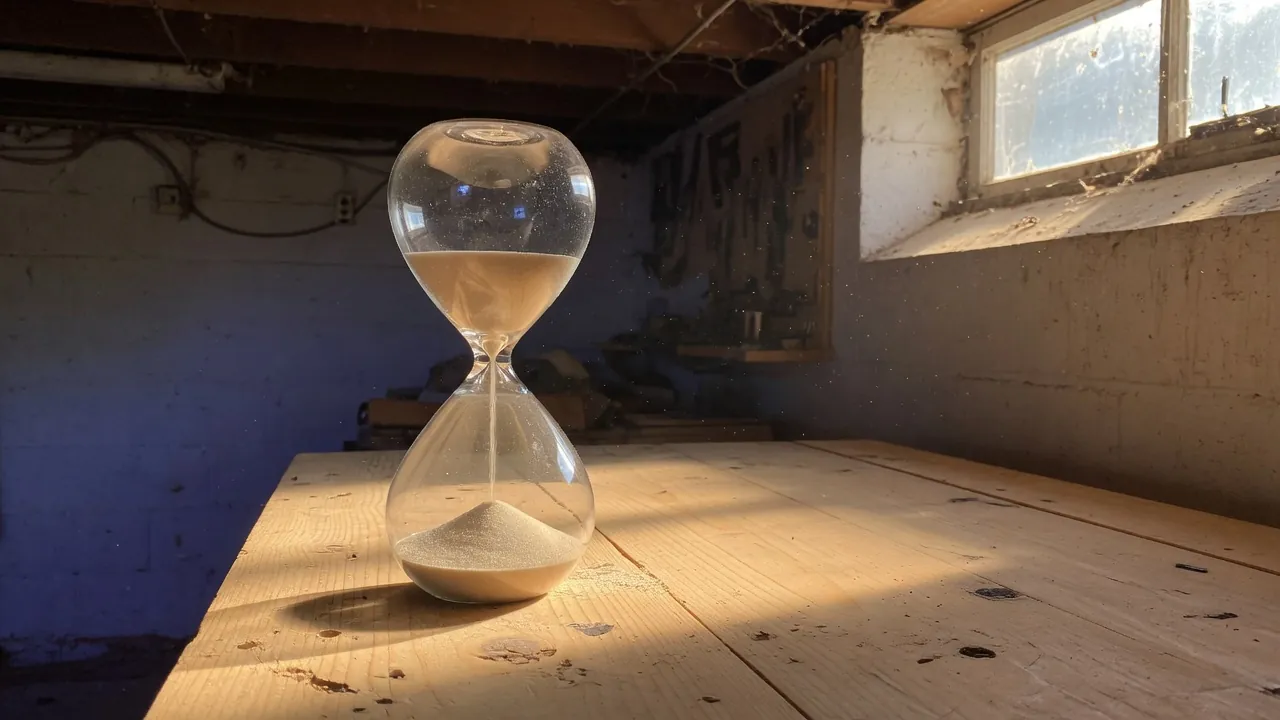
Glass hourglass with white sand running on a wooden workbench in a dim room with a beam of sunlight.

How long does sewage bacteria live after a backup? The honest answer from the agencies that publish on the subject is that no single figure applies. Survival depends on the germ, the surface, the moisture and the room, so any page promising an exact number is guessing.

What can be said is useful anyway, and it points toward acting on the mess instead of waiting for it to pass. This post covers what the sources do say. The wider picture for a house is on the Pittsburgh page about sewage backup in a home.

What decides survival

Connecticut's health department lists the factors that influence how long disease-causing germs persist: the kind of material that was contaminated, high humidity combined with mild temperatures, whether disinfectant was used, and whether sunlight reached the spot. Its sheet adds that many germs exposed to sunlight die off sooner than those kept in shade.

The same document ties the chance of illness to how long sewage sits against the inside of a building. That is the clearest statement in the sources about time, and it points toward not leaving the mess sitting.

Wet versus dry

Connecticut also explains that fecal microorganisms rarely become airborne while everything is wet, and that these bacteria and viruses generally die off after things dry out. Dry is helpful, but it is not an all-clear. A survey of laboratory studies on hospital surfaces, hosted on the National Library of Medicine's PubMed Central, found that some bacteria, including certain Gram-positive types, persisted for months on dry surfaces, and that survival of the same species varied from hours to days depending on conditions.

Those studies concern healthcare pathogens, not household sewage, so they should not be read as a timetable for a basement. They do show why "it has dried" is not proof that a surface is clean.

Weeks of damp

Indiana's health department says drying out a basement or crawl space after a sewage overflow can take several weeks, and that growth of microorganisms continues as long as humidity stays high. It adds that a musty odor left behind signals continued growth and can last long after the overflow. Suggested remediation guidelines for sewage backflow, written with an EPA health scientist, note something similar: wet, contaminated concrete can host microbial colonies.

A damp, closed room is the setting the sources worry about most.

What to do instead of waiting

Because no waiting period is established, the sources recommend action. Connecticut says to dry out the space and discard contaminated porous materials, and Ohio's health department describes disinfecting hard surfaces that can be saved. Gloves, hand washing and keeping children and animals out of the area are standard in every health sheet read for this piece.

For the disinfecting step itself, the order, strength and contact time health agencies describe are set out in a separate post.

A cleanup contractor in your area would handle the removal, drying and disinfecting steps. That is the job of the company you hire, not this site.

The safety side of a wet house is covered in the safety hazards of a wet cellar.

Where to start

Using the Contact Us page sends a request to a company near you that does sewage cleanup. Nothing here replaces the advice of your local health department, which is the body to ask about health concerns.

Prefer the phone?

Sewage in the house right now?

Call our crew and tell us what you're seeing.

Common questions

None of the sources gives one. Connecticut ties illness risk to how long sewage sits against the building.
Connecticut says many germs die off faster in sunlight, but it lists sunlight as only one factor among several.
Connecticut says bacteria and viruses generally die off after drying. Laboratory studies on hospital surfaces found some bacteria lasted months on dry surfaces, so dry alone is not proof of safety.
A local health department is the usual authority for questions about risk.