
How to Clean Carpet After Sewer Backup, and the Cases Where Cleaning Is Not Worth Trying
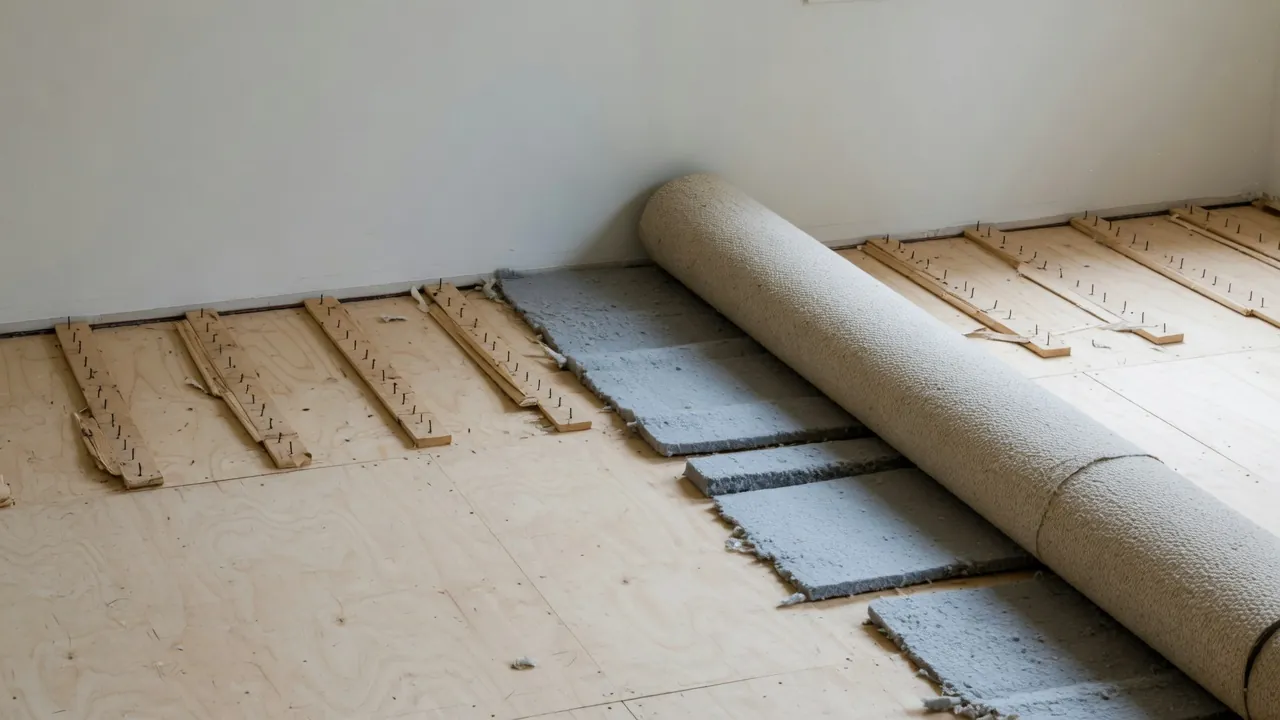
Roll of beige carpet pulled back to show gray padding, wooden tack strips and a plywood subfloor beside a white wall.

How to clean carpet after sewer backup is, for most health agencies, a question with a short answer: usually you don't, because carpet soaks up what the water carried. A few sources leave room for professional cleaning in limited cases, and the difference is worth understanding before anything is thrown out.

Carpet is among the first things homeowners ask about once standing water is out. A Pittsburgh walk-through of the opening steps is a click away on the backup overview.

What most guidance says

Ohio's health department says carpeting and padding generally should be removed and replaced. North Dakota State University's extension service is blunter. It says every porous material that sewage touched has to be discarded as uncleanable, and it lists carpet and carpet padding by name. Connecticut also lists carpets and rugs among items to discard.

The exceptions

Ohio allows that carpet may be saved if it can be thoroughly steam cleaned, but says the padding should still be discarded and replaced, and tells readers to consult a water damage professional. Indiana's health department says that if only part of the carpet was damaged, a professional carpet cleaner may be able to clean it, though the foam padding will likely have to be replaced.

The University of Michigan's environmental health office describes a limited spill on stretch-in carpet: lift and clean the carpet, dispose of the cushion, and treat both sides with a disinfectant. It says that approach applies when the sewage is confined to a small area.

Reasons a rescue falls apart

  • Size. Indiana says wall-to-wall carpet that has been wet usually won't return to its former size and must be thrown away.
  • Backing. Indiana notes that larger rugs and those with foam backing may have to be discarded.
  • Time and spread. A spill that sat and soaked is a different case from a small confined one, which is the distinction Michigan draws.

Small throw rugs are treated differently: Indiana says soiled clothing and small rugs can be washed in warm or hot water, with bleach if possible.

Removing it yourself, step by step

  1. Wear boots, gloves and eye protection.
  2. Let no child or animal wander in until the work is done.
  3. Cut the carpet into manageable sections; the Red Cross lists a carpet knife among cleanup supplies for wall-to-wall carpeting.
  4. Bag it for disposal. Indiana says to call your trash company about bulky items.
  5. Disinfect and dry the floor underneath before anything new goes down.

Floor surfaces below the carpet are covered in a post on the disinfection step.

When the carpet is only part of a flooded lower level, how a whole basement is cleaned after sewage, step by step puts the carpet in the larger sequence.

Who does what

A cleanup crew will usually make this call on site. When sewage has soaked carpet in a Pittsburgh- or Denver-area home we serve, call (855) 433-1072 or use Contact Us and tell us which rooms are wet.

Prefer the phone?

Sewage in the house right now?

Call our crew and tell us what you're seeing.

Common questions

Ohio says no. Even when carpeting can be steam cleaned, the padding should be discarded and replaced.
An Oregon sewer authority's FAQ says carpets should be professionally cleaned after a sewer backup and that anyone cleaning for themselves should take basic precautions, since the bacteria in sewage are a health hazard.
Connecticut's health department says the chance of illness rises the longer sewage stays in contact with a building's interior, and it lists sewage that remains indoors for over a full day in a finished living space among cases that favor hiring a professional.