Can You Get Sick From Sewage Backup? What Health Agencies Say

Can you get sick from sewage backup? Public health departments say yes, and they put the reason in one sentence: untreated household wastewater carries bacteria, viruses and parasites. Whether anyone actually becomes ill depends on what touched them and how.

This post sticks to what agencies such as the CDC and the health departments of Ohio, Indiana and Connecticut have published. It is general information, not medical advice, and anyone who feels unwell should talk to a doctor.
Three ways sewage reaches a person

Ohio's health department says the risk depends on exposure, and it describes two main routes. Stomach and bowel illness can follow swallowing the contamination, directly or by accident. Skin infections and rashes can follow when sewage, or a surface it soiled, touches the skin.

Indiana's health department adds a third route: breathing in airborne microorganisms, which it links to respiratory infections and allergic reactions. Its cleanup advice therefore includes a dust mask for work around a broken sewer line.

The word "accidentally" matters. Indiana points to unwashed hands and food-preparation surfaces as the usual way germs end up in a mouth.

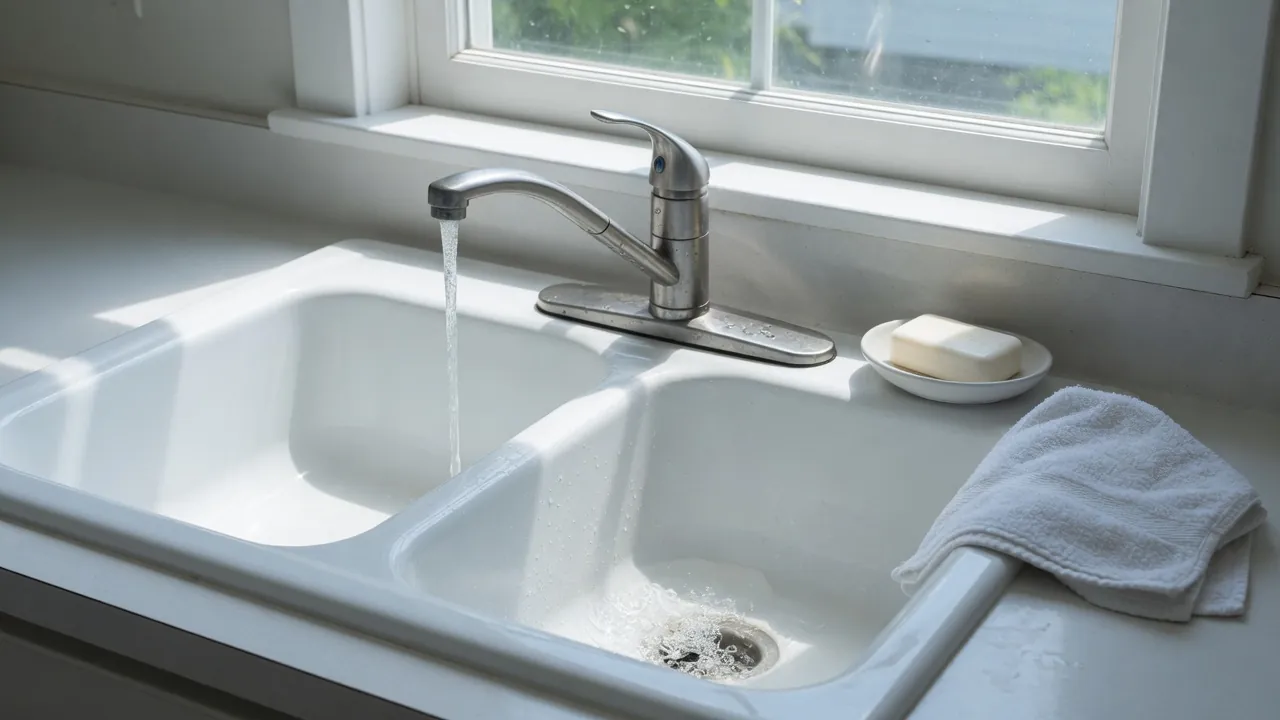
White double sink with water running from a metal faucet, a white soap bar in a dish and a folded white towel.

The illnesses that get named

Connecticut calls stomach and bowel upset and skin rashes or infections the most common illnesses, and says contaminated housing can become unfit for living. The CDC lists wound infections, skin rash and gastrointestinal illness for contact with contaminated floodwater, and names E. coli and Salmonella as examples of diarrheal disease from swallowing it. Floodwater and sewage are not the same thing, but the CDC notes that floodwater may contain sewage, so its safety rules carry over.

Ohio's advice for symptoms is short: nausea, vomiting or diarrhea is a reason to contact a physician.

Whether a strong odor means danger

A backup usually smells awful, and people reasonably assume the smell is what makes them ill. Ohio's health department says the odor, while unpleasant, is generally not harmful. The stronger concern is contact with the material itself.

The reverse is not safe either. A room that has stopped smelling can still hold contaminated carpet, wallboard or damp corners, and Ohio notes that the longer sewage stays in a home, the higher the risk of disease or permanent damage.

Whether germs die off with time, and why no source sets a safe waiting period, is the subject of what the sources say about germ survival after a backup.

What public guidance suggests to lower the risk

  • Children and pets stay clear until the space is cleaned and disinfected (Ohio, Connecticut and the CDC agree).
  • Gloves, always. Connecticut's rule is that raw sewage should never meet bare skin.
  • Cover cuts and sores and keep them clean; Ohio advises avoiding skin contact with open ones, and Seattle's utility suggests talking to a doctor about a tetanus shot after a cut.
  • Food and drink that sewage reached should not be consumed.
  • Wash hands often, and launder cleanup clothes apart from everything else.
  • Wear boots, gloves and eye protection when entering the area, as the CDC advises for floodwater.

Once the area is safe to work in, a step-by-step basement cleanup post follows these precautions, and the homepage explains what this referral service does. A plain-language explainer on how requests are handled covers the rest.

This website passes jobs along and employs no cleaners. Should a household conclude the work is more than it can safely handle, the Contact Us page is where details are left for a nearby contractor.

Common questions

No source says so. Ohio's health department says the risk depends on exposure, which is why the advice centers on avoiding contact and washing up.
Indiana's health department says respiratory infections and allergic reactions may result from inhaling airborne microorganisms, while Ohio says the odor itself is generally not harmful.
Ohio's health department says to contact a physician for nausea, vomiting or diarrhea after a backup.