Who Cleans Up Sewage in Basement Backups? Five Possible Answers

Who cleans up sewage in basement backups? The short answer is that it depends on whose pipe failed, and that the person holding the mop is often the owner of the house either way. Utilities fix their own pipes. A plumber fixes the cause. The floor, the walls and the carpet are a third job, with a third set of hands.

This page sorts the five parties that come up in public guidance, and says where Sewage Cleanup Crew, LLC fits among them. Each section names the source, because the answer changes from one utility to the next.
The utility, when the main is at fault

Denver's wastewater FAQ separates two cases. A fault in the city line is repaired by city staff, who also arrange any cleanup it requires. A fault in the owner's own line is reported back to the caller, and the owner then hires a plumber. Pittsburgh Water accepts responsibility for a failed or clogged main, not for damages, and assigns cleanup after a storm-driven backup to the owner. Each utility words this its own way, so check the one that serves your house.

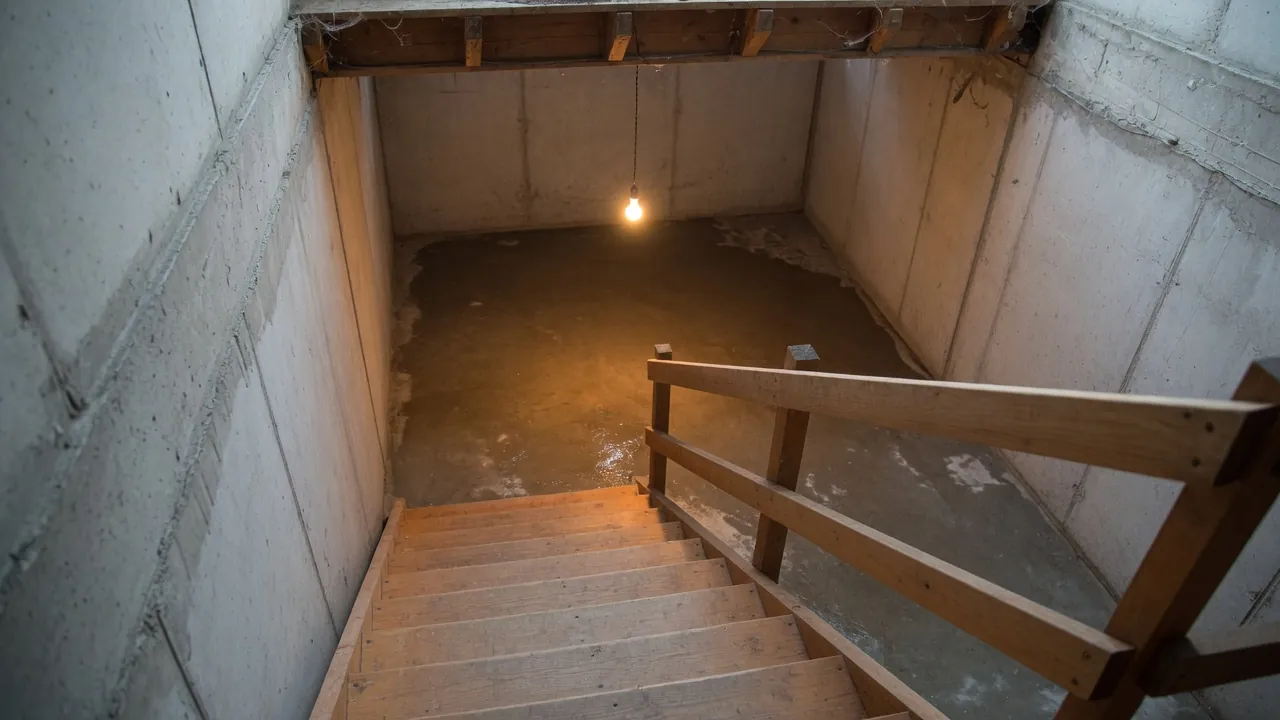
Wooden staircase with a handrail leading down to an unfinished concrete room with puddles under a hanging light bulb.

The homeowner, when the pipe is private

Aurora assigns the service line running from the home to the city's mains to the owner, together with resulting damages. Littleton says the pipe between the main and the building is the owner's. Lakewood counts privately owned laterals as half its system. Pittsburgh Water says a broken or clogged lateral is the property owner's responsibility.

A plumber for the pipe, not the floor

Denver's FAQ points owners of a failing private line to a plumber. Monroe County in New York expects a plumber to diagnose and fix nearly any cause of a sewer backup, and Littleton requires an owner with a blocked service line to call a plumbing or sewer contractor. Those pages speak about the pipe; the cleanup of the room is a separate question.

A cleanup contractor for the room

Connecticut's health department says the decision between hiring a professional remediation company and cleaning up yourself often comes down to time and money. It lists situations that favor a professional:

  • When insurance will pay for it.
  • When ductwork has been contaminated with sewage in a home with forced hot air or central air.
  • When sewage has stayed in a finished living space for more than a day.
  • When the job is too large or complex to do alone.

Pittsburgh Water likewise mentions that an owner may call a professional remediation company, and Colorado's health department advises a professional cleaning company for salvageable furnishings. Connecticut also describes a middle path: a professional can be hired only for an initial assessment, which identifies the extent of the damage and produces a scope of work that the homeowner then follows while doing the cleanup.

The insurer, who may have its own list

Connecticut's guidance suggests telephoning the insurer, since some insurers keep cleanup firms under contract. Whether a policy covers a backup at all is a separate matter, and for Pennsylvania readers the insurance side of a backup in Pittsburgh has what the state department publishes.

This site's part in it

This site sells no labor and employs no cleaners. It forwards a Contact Us request to a contractor that serves your area, and that contractor talks through the job with you. Once the contractor question is settled, how the cleanup itself proceeds shows what the work usually involves. The homepage explains the arrangement.

Common questions

The sources differ by utility. Denver arranges cleanup when the fault is in the city line, while Pittsburgh Water disclaims liability for damages and leaves cleanup after a rain-driven backup to the owner.
Connecticut's health department says the choice often comes down to time and money, and it lists the situations that favor a professional. Anyone handling sewage should wear gloves and wash their hands right afterwards.