
Pittsburgh Basement Toilet: Folk Tale and Floor Plan

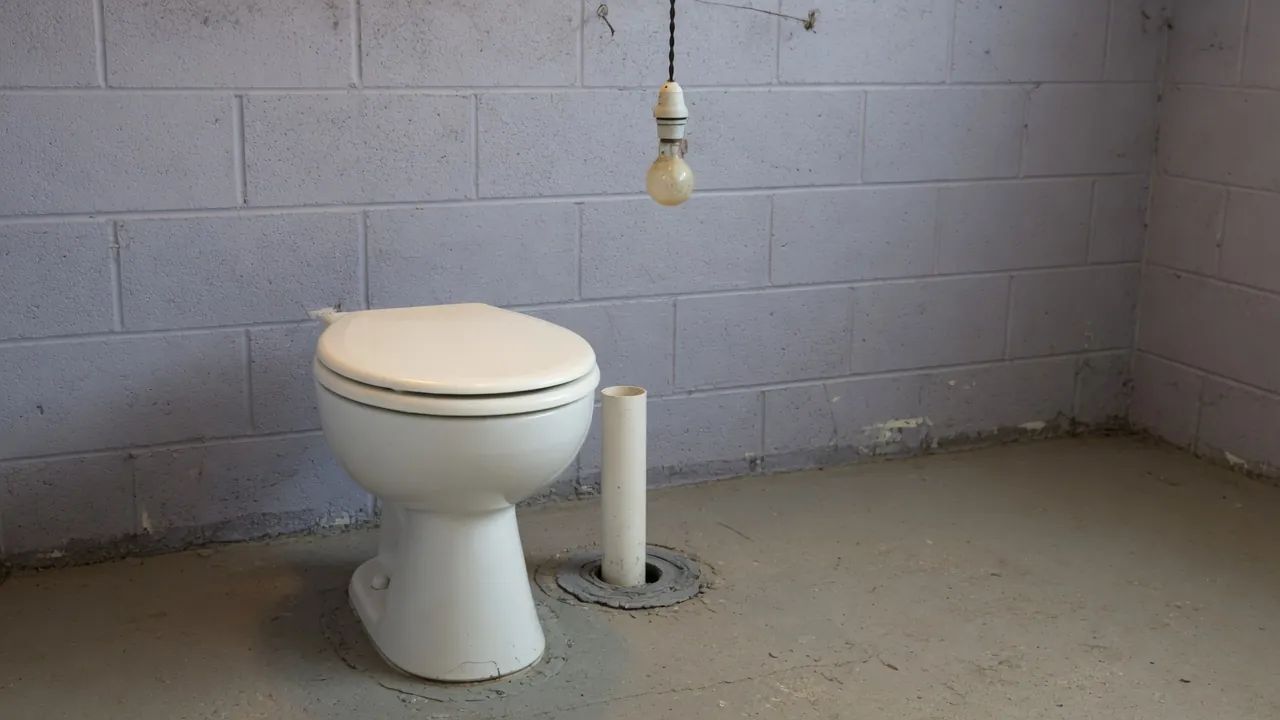
The Pittsburgh basement toilet is a fixture plenty of older houses have: a toilet standing out in the open, with no walls, no sink and no pretense of privacy. The usual local explanation involves mill workers washing up before they came upstairs. The sources behind this post describe something plainer, and a little less comfortable.
The story people tell, and the one architects tell

According to 90.5 WESA, local lore says these toilets let mill workers and miners clean up before entering the main part of the house, though several local experts told the station they could not verify that. The station also spoke to architect William Martin, who said the toilets were not designed for steelworkers and were not even meant to be used.

Martin's account is that the fixture sat at the lowest point of the system. When the sewer backed up, the toilet would overflow into a mostly unfinished basement, and the household would know to alert the city. TODAY repeats the explanation and places these toilets mostly in houses from before World War II. It is one architect's explanation, relayed by news outlets, and not a finding by any Pittsburgh agency.

White toilet with its lid closed in the corner of a basement with pale purple block walls and a bare light bulb overhead.

Reading the jar comparison

Martin compares a backed-up sewer to a jar filling up: once the pipe is full, sewage rises into every fixture connected to it. A detail from the Denver flood handbook fits that picture. It treats the floor drain as the sanitary system's lowest entry point, and warns that a plug in that drain will not keep a backup from surfacing at the next lowest opening, a laundry tub or a basement toilet for example.

Pittsburgh Water's list of things to tell its dispatcher includes the same detail: where in the home the sewage showed up. The other low spot in the house is the floor drain.

If the basement toilet is the one overflowing

Pittsburgh Water's backup page describes raw sewage as a mix of bacteria, viruses and germs, with stomach illness, skin infections and rashes as the risks of touching or swallowing it. Residents are told to keep clear of the affected space until professionals have looked at the damage. A report to the authority comes next for an address on its system, and the opening steps Pittsburgh Water lists cover that.

What carpet and drywall add to the mess

Martin says cleaning a bare concrete slab was relatively easy, and that backups were the reason basements stayed unfinished. Where a basement has since been finished and carpet and drywall surround a toilet that overflows, the CDC's list applies: carpeting, rugs and upholstered furniture that cannot be cleaned or dried in time go in the trash, and so does sewage-soaked wallboard and insulation.

No cleanup crew works for Sewage Cleanup Crew, LLC. A Contact Us request can be forwarded to a contractor serving your neighborhood, and that contractor discusses the job with you. If you are still unsure what came in, sorting seepage from sewage is the place to begin.

Common questions

Local lore says so, but WESA reports that several local experts could not verify it, and the architect it interviewed says the toilets were never meant to be used.
No. The architect told WESA they are not unique to Pittsburgh, and that they exist around northern New Jersey, the suburbs of New York City, New England and Philadelphia.