
Flood Insurance Pittsburgh: Where a Sewer Backup Fits

Flood insurance Pittsburgh homeowners ask about after a storm gets blurred with sewer backup cover. The two answer different questions, and cause draws the line between them.

This post stays on the flood side. It reports what FEMA's flood program, the Insurance Information Institute and Pittsburgh Water publish, and it stops before your policy, because only your own papers can answer that.
Flood is a separate policy

Pittsburgh Water's flood page says flooding is not something a homeowner's policy covers, and it points to the National Flood Insurance Program. The Insurance Information Institute says the same thing: floods are not covered under homeowners and renters policies, and only a specific flood policy answers home losses from flood. FEMA's FloodSmart site agrees that most homeowners and renters coverage leaves flood out.

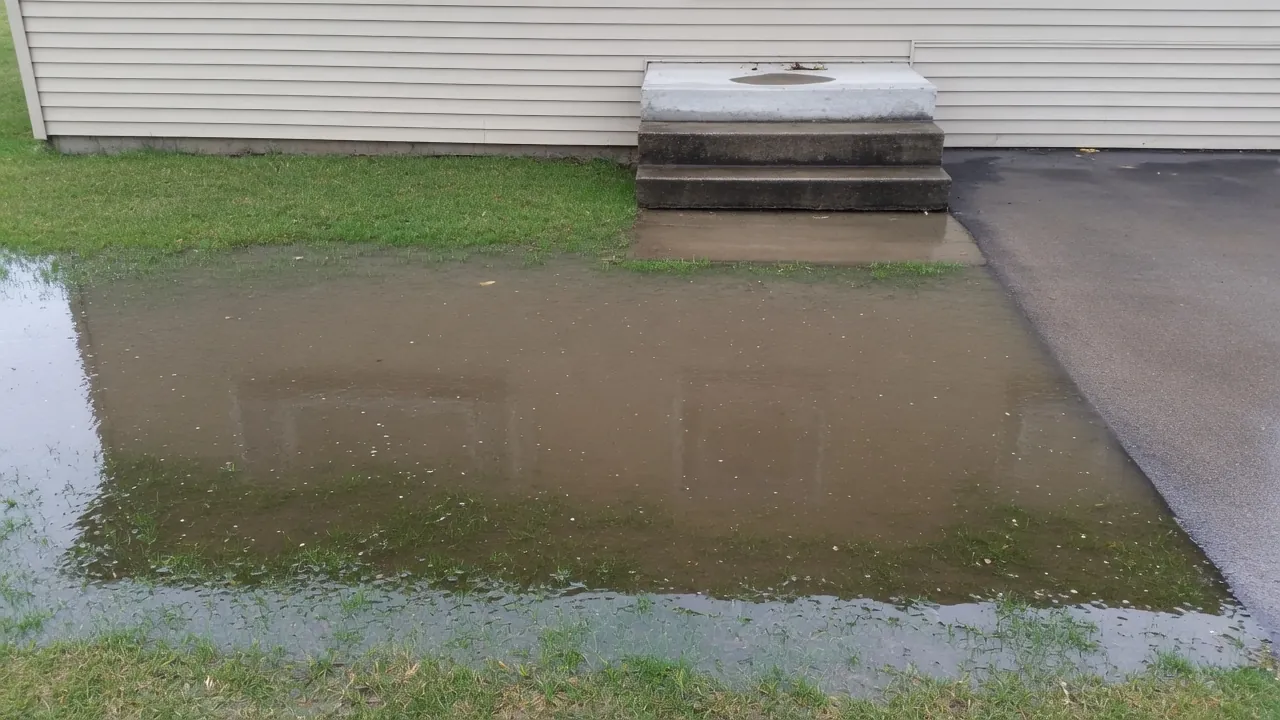
Large puddle of brown water on a green lawn beside concrete steps and a dark driveway at the side of a house.

The wording that sorts a backup claim

FloodSmart gives a pair of examples: a flood policy would cover water damage from a sewer that backed up during a heavy rainstorm, but not damage from a backup caused by clogged pipes. The federal policy form itself lists water that backs up through sewers or drains among its exclusions, unless there is a flood in the area and the flood is the proximate cause of the backup.

Those are FEMA's examples and the form's general wording, not a decision on any claim. The other side of that line is covered in the insurance department's own guidance on backups.

The thirty-day wait

FloodSmart says flood coverage takes effect 30 days after purchase, with exceptions, one being a purchase made while making, increasing, extending or renewing a mortgage. Pittsburgh Water lists buying or renewing a policy among its preparation steps and notes it typically takes up to 30 days to take effect. The Insurance Information Institute adds a plain warning: do not wait until the last minute.

Looking up your own flood risk

Pittsburgh Water points residents to FEMA's Flood Map Service Center to look up a property's flood risk. The Insurance Information Institute notes that about one in five flood claims comes from low-to-moderate-risk areas, and Pittsburgh Water observes that overland flooding can reach places that are not near a stream or river. A basement does not need a creek in sight to take on water.

What this page cannot tell you

Only the declarations and wording of your own policy settle what is covered, and an agent or insurer can explain them. Denver's flood page, which relays program-wide rules, notes that basement coverage under flood insurance is limited and tells owners to ask an agent about exclusions and restrictions.

Sewage Cleanup Crew, LLC only forwards cleanup requests and cannot advise on any policy. Connecticut's health department says pictures and a list of discarded items help with an insurance claim. For the first steps residents are told to take, see what Pittsburgh Water asks for first. For what a storm does inside the house, read how a heavy storm plays out in the basement.

Common questions

It depends on the cause. FloodSmart says a backup during a heavy rainstorm would be covered while one from clogged pipes would not, and stresses that cause matters. Your own policy decides.
FloodSmart and the Insurance Information Institute both describe a 30-day wait before coverage takes effect, with a few listed exceptions. An agent can say what applies to a given date.
The Insurance Information Institute says homeowners can buy flood policies from an insurer under contract with FEMA.
Not according to the Insurance Information Institute, which says about one in five flood claims come from low-to-moderate-risk areas, or Pittsburgh Water, which says overland flooding can reach places away from streams.