Water Damage Cleanup Denver: Where Floodwater May Carry Sewage

Flood damage Denver basements take usually starts with weather, and the weather is the part nobody controls. Denver's flood information page names several neighborhoods that flood in rainstorms or after very wet winters, once the ground is saturated, and says lower-lying areas and homes near a major waterway can face worse.

This page on water damage cleanup Denver homeowners ask about covers only one slice: flood or storm water that may carry sewage. It leaves clean-water leaks alone, and the dry-out guidance comes from the CDC and the Red Cross, with one tip borrowed from Denver's flood handbook.
How a Denver basement ends up with floodwater

Beyond the weather, Denver's drainage FAQ admits that many older systems predate today's density and the amount of paved or roofed surface, and calls streets a necessary part of storm drainage. None of that tells a homeowner what is in the water, which is why the cleanup rules below assume the worst.

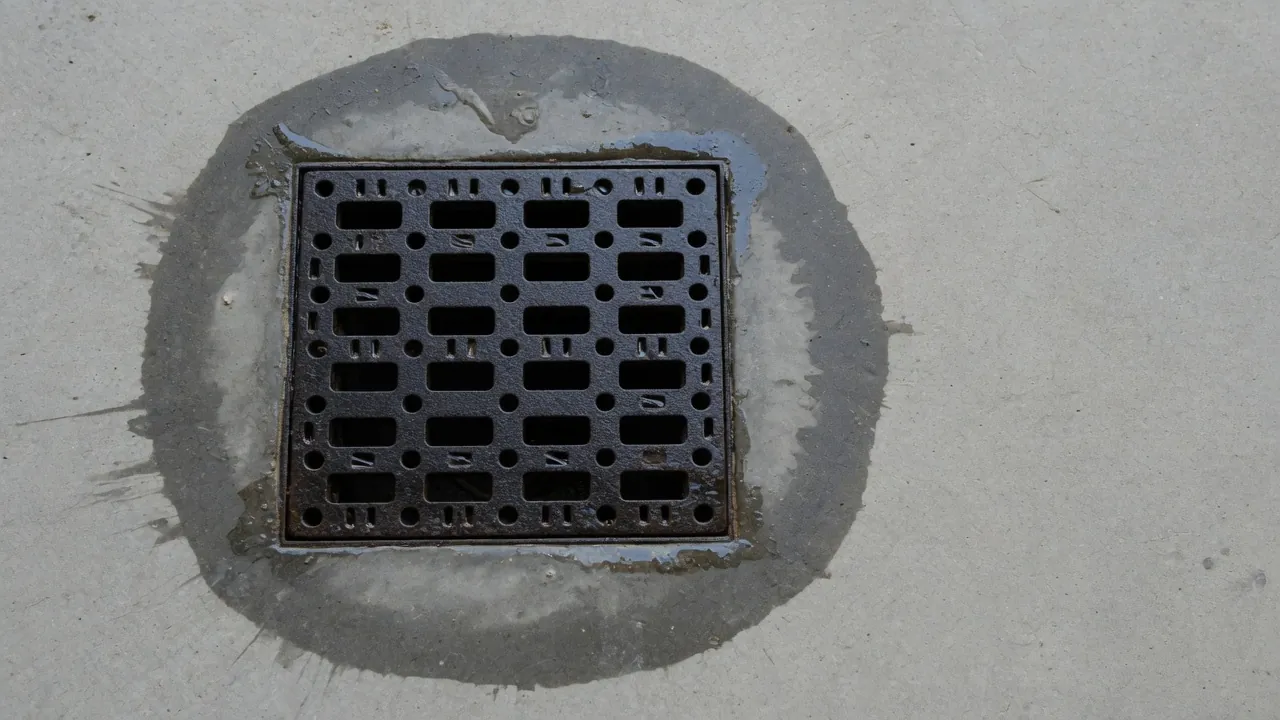
Square dark iron drain grate in a light gray concrete floor with a wide dark damp ring around it.

How stormwater and sewer water mix

Denver's flood handbook says floodwaters are not clean, and that they carry mud, silt, road oil and even sewage. The CDC makes the same point in general terms: a flooded home may be contaminated with sewage as well.

There is a plumbing route too. Some Denver-area houses, the handbook explains, route roof downspouts, the footing drain or a basement pump into the sanitary line. A heavy rain can then send stormwater into the sanitary sewers and back into the house. The handbook adds that such connections are prohibited in most jurisdictions. For homes where flooding has come from a sewer backup or from basement seepage, it also recommends buying a water alarm.

Protection and power come first

The CDC says staying out of the water is the best protection, and lists protective footwear, gloves and eye protection for anyone who has to go in. It warns against switching power on or off, or using electric tools, while standing in water, and against running a generator, pressure washer or any gasoline engine indoors. The Red Cross adds that appliances soaked by floodwater need a professional's check before use.

Cleanup steps that hold whatever the source

  • Discard anything that cannot be disinfected, from wall coverings and cloth to rugs and drywall (CDC).
  • Run fans, air conditioning units and dehumidifiers, starting early so mold has less time (CDC).
  • Lower the water in stages, a third at a time each day (Red Cross).
  • Scrub hard surfaces, then disinfect them (Red Cross).
  • Take photographs of the damage before any cleanup begins (Denver flood handbook).

Limits of this page

This site refers only sewage problems, and a clean-water flood is not one. A search for flood restoration Denver companies returns every kind of water problem, and this page covers one.

Contact Us reaches our crew about residential sewage cleanup in the Denver area. For the question that comes first, whose pipe it is, read the guide to Denver pipe ownership and cleanup responsibility.

A related read is common sewage problems in Denver-area homes, and the staged public guidance is summarized in the order a professional sewage cleanup follows.

Common questions

No source says so. Denver's flood handbook calls floodwaters unclean and says they can carry sewage, while the CDC admits the contents of any flood are unknown. Treat it as possible sewage until you know otherwise.
Only in a limited way, according to Denver's flood page, which sends readers to an insurance agent for policy details, exclusions and restrictions. The same page notes a 30-day waiting period before a flood policy begins.
The CDC says drying should start as early as possible to prevent mold. The Red Cross advises gradual pumping and warns that a house's structural elements may take weeks or months to dry completely.