
Pittsburgh Basement Flooding: Seepage, Stormwater or Sewage?
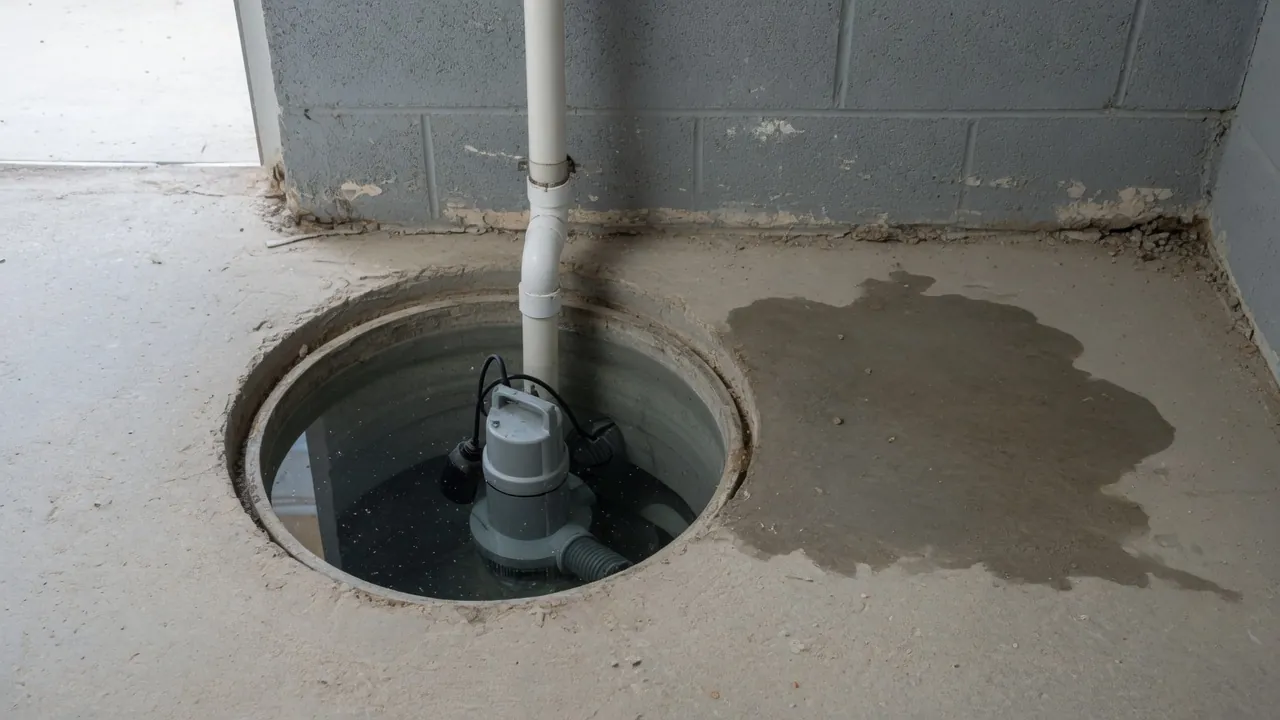
Round pit in a concrete basement floor holding a gray pump with a white pipe running up the cinder block wall.

The floor is wet, the water is more than a puddle, and the first question has nothing to do with a mop. Did the water come out of the ground, or out of a drain? Pittsburgh basement flooding can arrive both ways, sometimes during the same storm.

Looking at the water will not settle it. This post covers where water gets in, what public sources admit about telling the origins apart, and what to assume meanwhile.

Three kinds of flooding, one authority page

Pittsburgh Water's flood preparedness page sorts flooding into types. Three of them can reach a basement:

  • Stream and river flooding, when water climbs over the banks and spreads across the floodplain.
  • Overland flooding, when rain or snowmelt runs across the ground. The authority adds that stormwater may enter a basement through foundation gaps, doors and windows.
  • Sewage backups, which it ties to a sewer, public or private, that is clogged, broken or swamped by heavy rain or snowmelt.

Only the third is sewage by definition, though the first two do not get a clean bill of health.

Follow the water to where it entered

Begin with where water first showed itself. A gap in the foundation, a door or a window points to stormwater that found a way in.

Water appearing inside the plumbing is another matter. A flood handbook from the City and County of Denver and its drainage district, written about a different city but describing the typical house with a basement, says the sanitary sewer line serves toilet waste, laundry tubs and the basement floor drain, while downspouts, footing drains and sump pumps deal with clean stormwater and groundwater. By that description, water rising from a toilet, a laundry tub or the floor drain is arriving on the sanitary side. That source describes the floor drain as the lowest way into the house's sanitary plumbing. For that drain's habits, see what a Pittsburgh floor drain is telling you.

A clear puddle proves little

The handbook concedes that when a basement is full of water, it is hard to tell how it got in. The CDC goes further: the exact contents of floodwater at any given moment are unknown, and human and livestock waste can be among them. Pittsburgh Water's flood page lists oil, gasoline and sewage as possible contaminants.

Across roughly three quarters of the city, Pittsburgh Water says, one set of underground pipes carries both sewage and stormwater. In a downpour, the rainwater in a basement may have come up through a pipe that also carries sewage, a route described in what heavy rain does to those shared pipes.

What to assume until the source is known

  • Stay out of the water. The CDC calls that the best protection, and adds that anyone wading in needs boots, gloves and goggles.
  • Handle power only from a dry spot. The CDC says the main can be switched off if reachable without standing in water, and that an electrician is the answer when the switch is across a flooded floor.
  • Pump slowly. Take out roughly a third of the water per day, the Red Cross says, because waterlogged soil outside can press hard enough to collapse basement walls.

Sewage Cleanup Crew, LLC is a residential sewage cleanup crew. If the water in a Pittsburgh basement includes sewage — or you cannot tell yet and need cleanup handled as sewage until someone proves otherwise — call (855) 433-1072 or send details through Contact Us. We still want the utility report when a main may be involved; that call and ours do different jobs. Pittsburgh Water's steps for a confirmed backup are collected in the opening-hour guide for a Pittsburgh sewage backup.

Prefer the phone?

Sewage in the house right now?

Call our crew and tell us what you're seeing.

Common questions

Neither the CDC nor Pittsburgh Water offers clarity as a test. The CDC says floodwater's contents are unknown at any moment, and Pittsburgh Water lists sewage among the possibilities.
No, according to the Red Cross, which wants the water lowered by about a third per day to protect the structure. With sewage, Pittsburgh Water says to wait until the fault is fixed and the sewage has gone from the property before cleanup starts.
The Denver handbook says such pumps are meant for clean stormwater and groundwater, but some houses have one connected to the sanitary side, which lets heavy-rain runoff overload the sewer and push water back into the house.