Raw Sewage in Neighbor's Yard: Who Owns It, Who to Call
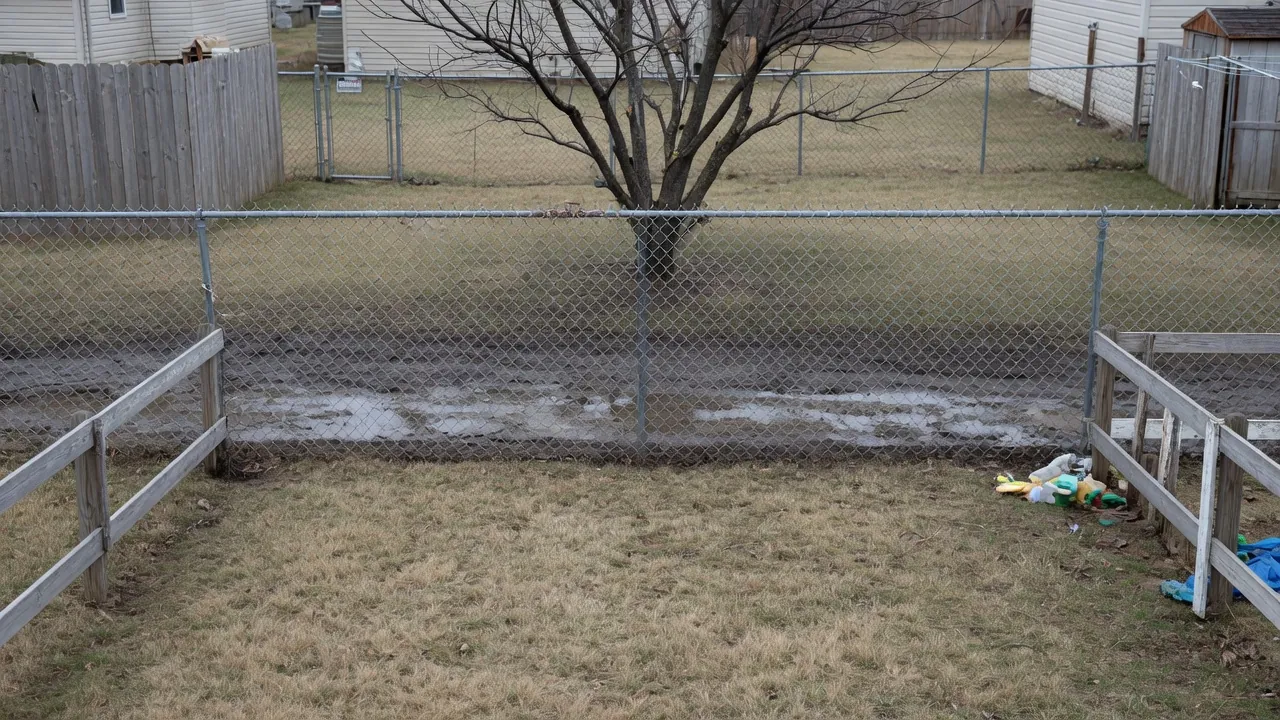
Strip of wet mud along a chain-link fence in a backyard with dry grass and a leafless tree behind it.

Raw sewage in neighbor's yard is awkward in a way a problem on your own lot is not. It is not your pipe and not your cleanup, yet it may be close enough to reach your property, a child's play area or a shared fence line.

This post is about who to contact. For wastewater on your own ground, a Pittsburgh guide to sewage in a yard covers the steps. Nothing here is local law, and the right agency depends on where you live.

Ownership of the neighbor's line

Ownership usually follows the pipe. Pittsburgh Water says the whole sewer lateral is the owner's and that it maintains the sewer main. Naperville's utility describes the same split: homeowners look after service lines from the house to the main, and the city covers cracked pipes and complete blockages in the right-of-way.

So sewage in a neighbor's yard may come from the neighbor's lateral, from the utility's main, or, if the home has a septic system, from the neighbor's tank or drainfield.

Where a city's responsibility stops and a property owner's begins is compared across several utilities in public main versus private pipe, utility by utility.

Who to tell

  • The neighbor. Pittsburgh Water's backup advice also suggests checking with neighbors.
  • The sewer utility. Connecticut's health department says to call the local sewer office when a municipal system serves the home; that is often the town public works office, or the water pollution control authority.
  • The health department or a septic provider, when a septic tank is involved. EPA says to contact a local health department or regulatory agency for guidance when sewage backs up from an onsite system.

If the problem is a smell more than a spill, where to report a sewage smell lists who takes odor reports.

Sewage approaching your boundary

Connecticut's health sheet puts children and pets on the list of those to keep clear of sewage, and EPA advises avoiding contact because sewage may contain harmful pathogens.

Pittsburgh Water begins its cleanup steps only after the cause is fixed and the property has drained.

Limits on what a utility does

Practice varies from city to city, and the sources used here describe only a few. Madison says its crews inspect the public main first, clear it if it is blocked, and let the property owner or resident know when service returns. Pittsburgh Water treats the full lateral as the owner's and maintains the main itself. EPA adds that municipal overflows, including ones that never reach a waterway, can point to poor upkeep of the system.

If it reaches your own property

If sewage reaches your house or your lot in an area we serve, Contact Us or call (855) 433-1072 about cleanup. We do not inspect pipes for neighbors or mediate disputes.

Prefer the phone?

Sewage in the house right now?

Call our crew and tell us what you're seeing.

Common questions

The sources used here do not say. They do say a lateral generally belongs to the property owner, so the utility or health department is the one to ask about enforcement.
Pittsburgh Water places cleanup after the source is repaired, so waiting is the safer course.
EPA says sewage may contain harmful pathogens and should be avoided, and Connecticut tells readers to keep kids and pets clear.